The Institution of Engineers Indonesia (PII) Strengthens Cooperation with the Chinese Society of Engineers through Engineering Capacity Building Program in China

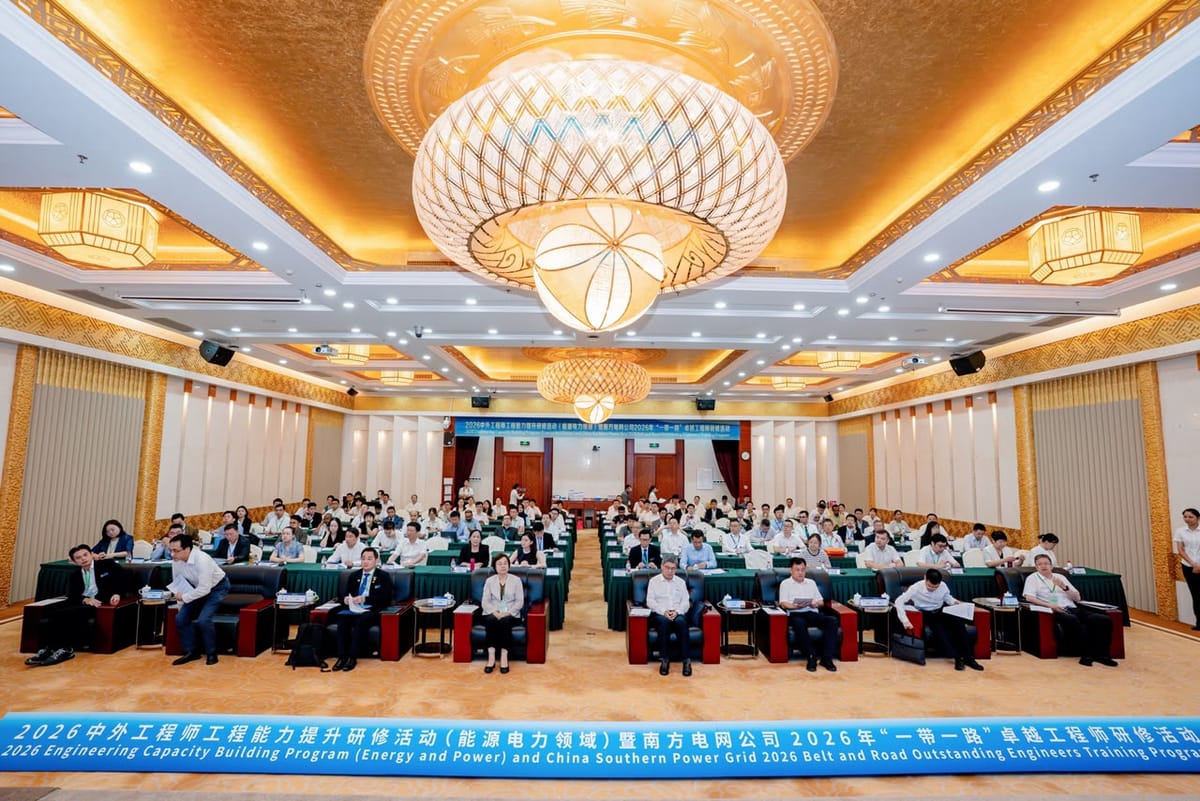
Jakarta,TAMBANG,- The Institution of Engineers Indonesia (PII) continues to strengthen its international engagement with the Chinese Society of Engineers (CSE) through its participation in the 2026 Engineering Capacity Building Program (Energy and Power) held in Beihai, Guangxi Province, China.
Bringing together engineering professionals from Brunei Darussalam, China, Hong Kong, India, Indonesia, Iraq, Laos, Malaysia, Pakistan, the Philippines, Rwanda, and Syria, the program served as a dynamic platform for knowledge exchange, professional networking, and international collaboration to address the challenges of energy transition, technological innovation, and sustainable development.
The diversity of participating countries reflected CSE’s commitment to fostering global engineering partnerships and promoting mutual learning across different regions and engineering disciplines.
Providing an official perspective on the initiative, Ms. Zhang Yiyan, Program Officer of the Secretariat of the Chinese Society of Engineers (CSE), emphasized that the program reflects CSE’s long-term commitment to advancing the global engineering profession through international cooperation and Continuing Professional Development (CPD).
“The Chinese Society of Engineers (CSE) organizes the 2026 Engineering Capacity Building Program with three core missions: to strengthen international exchanges and cooperation in engineering, to establish a mutual learning platform where engineers worldwide can share cutting-edge technologies and practical engineering experience, and to foster stronger people-to-people connections within the global engineering community. By placing Continuing Professional Development (CPD) at the center of the program, we aim to equip engineers with the knowledge, skills, and international perspectives needed to address emerging technological challenges while injecting new momentum into the coordinated development of the global engineering sector,” said Ms. Zhang.
The PII delegation consisted of Dr. Ir. Agus Wiramsya Oscar and Ir. Arief Koeswanto. Throughout the four-day program, participants attended a series of lectures, technical discussions, and professional exchanges covering energy development, modern power systems, Artificial Intelligence (AI), engineering competency development, and the future of sustainable energy technologies.
Complementing the technical sessions, the organizers arranged a cultural exchange program designed to strengthen friendship among participants from different countries. During an interactive ice-breaking session, delegates experienced the traditional Chinese lion dance (Barongsai), one of China’s most iconic cultural performances. The activity fostered cross-cultural understanding, encouraged open communication, and reinforced professional relationships beyond the classroom.
A major highlight of the program was the technical site visit to Shenhua Power Plant, officially known as Guoneng Guangtou Beihai Power Generation Co., Ltd., one of the largest clean coal-fired power plants in Guangxi Province, located in Tieshangang District, Beihai.
The power plant has an installed generation capacity of 4 million kilowatts (4 GW) and produces more than 20 billion kilowatt-hours of electricity annually, supplying approximately one-seventh of Guangxi Province’s electricity demand. The facility plays a strategic role in ensuring regional energy security while supporting industrial and economic development.
During the visit, delegates received comprehensive briefings on the plant’s supercritical coal-fired generating units, which improve thermal efficiency while reducing fuel consumption and emissions. Participants also learned about the integrated operational model linking electricity generation with port facilities, coal storage, and transportation infrastructure, creating a highly efficient fuel supply chain.
Environmental sustainability featured prominently throughout the visit. Plant representatives showcased the implementation of seawater flue gas desulfurization (FGD) technology for sulfur emission control, alongside an ultra-low emission system that complies with stringent environmental standards.
The delegation also observed the deployment of a “5G + Artificial Intelligence (AI)” platform that enables intelligent plant operations through real-time equipment monitoring, predictive maintenance, digital inspection, and enhanced operational reliability.
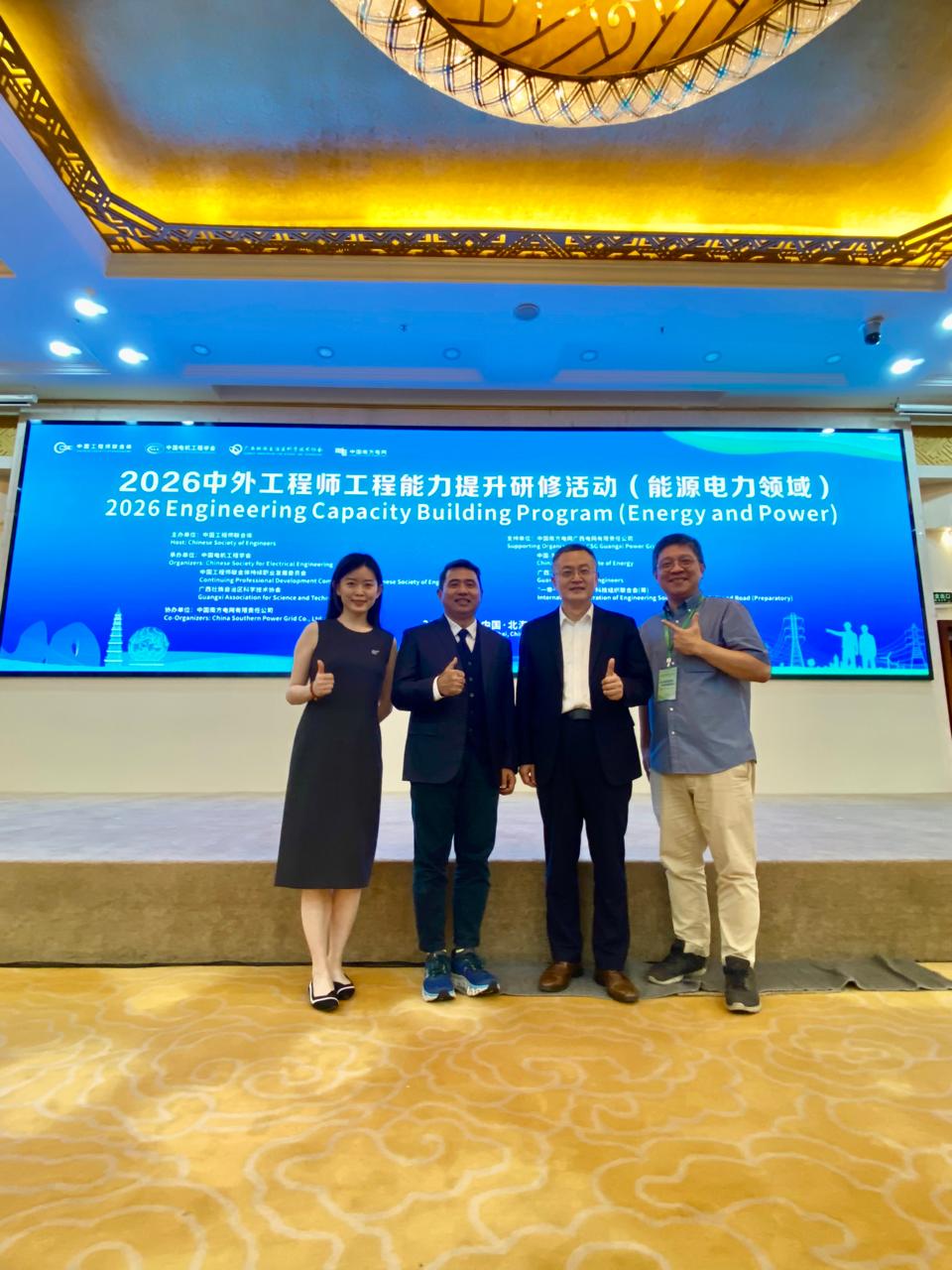
Reflecting on the significance of the program, PII Delegate Dr. Ir. Agus Wiramsya Oscar highlighted that the initiative represents an important milestone in strengthening engineering cooperation between Indonesia and China.
“This program goes beyond technical learning. It creates opportunities for engineers from both countries to build long-term professional partnerships through knowledge sharing, continuing professional development, and mutual understanding. We hope PII and CSE will continue expanding collaboration through reciprocal participation in conferences, expert exchanges, short summer classes, and initiatives supporting the mutual recognition of engineering qualifications between Indonesia and China. Such sustained engagement will strengthen engineering competencies while creating greater opportunities for innovation and sustainable development in both countries,” Oscar said.
Meanwhile, PII Delegate Ir. Arief Koeswanto emphasized that the technical sessions and industrial visit provided valuable practical insights into integrating advanced technologies with sustainable power generation.
“The visit demonstrated how operational excellence, environmental stewardship, and Artificial Intelligence can be successfully integrated into modern power plant operations. The implementation of intelligent monitoring systems, predictive maintenance, and ultra-low emission technologies offers valuable references for Indonesia’s energy transition while enriching the professional competencies of Indonesian engineers. We also see significant potential to deepen cooperation through joint technical workshops, research collaboration, student and young engineer exchanges, and reciprocal training programs hosted alternately in Indonesia and China,” Arief noted.
PII’s participation in the 2026 Engineering Capacity Building Program (Energy and Power) reflects the institution’s continued commitment to strengthening the capabilities of Indonesian engineers through international collaboration. Beyond expanding technical expertise and professional networks, the program demonstrated how engineering diplomacy can be advanced through technology transfer, knowledge exchange, cultural interaction, and mutual professional respect.
As Indonesia and China continue to deepen cooperation in engineering, initiatives such as this provide a strong foundation for future collaboration in innovation, sustainable infrastructure, energy development, and the mutual recognition of engineering qualifications, while contributing to the development of globally competent engineers capable of addressing future technological and sustainability challenges